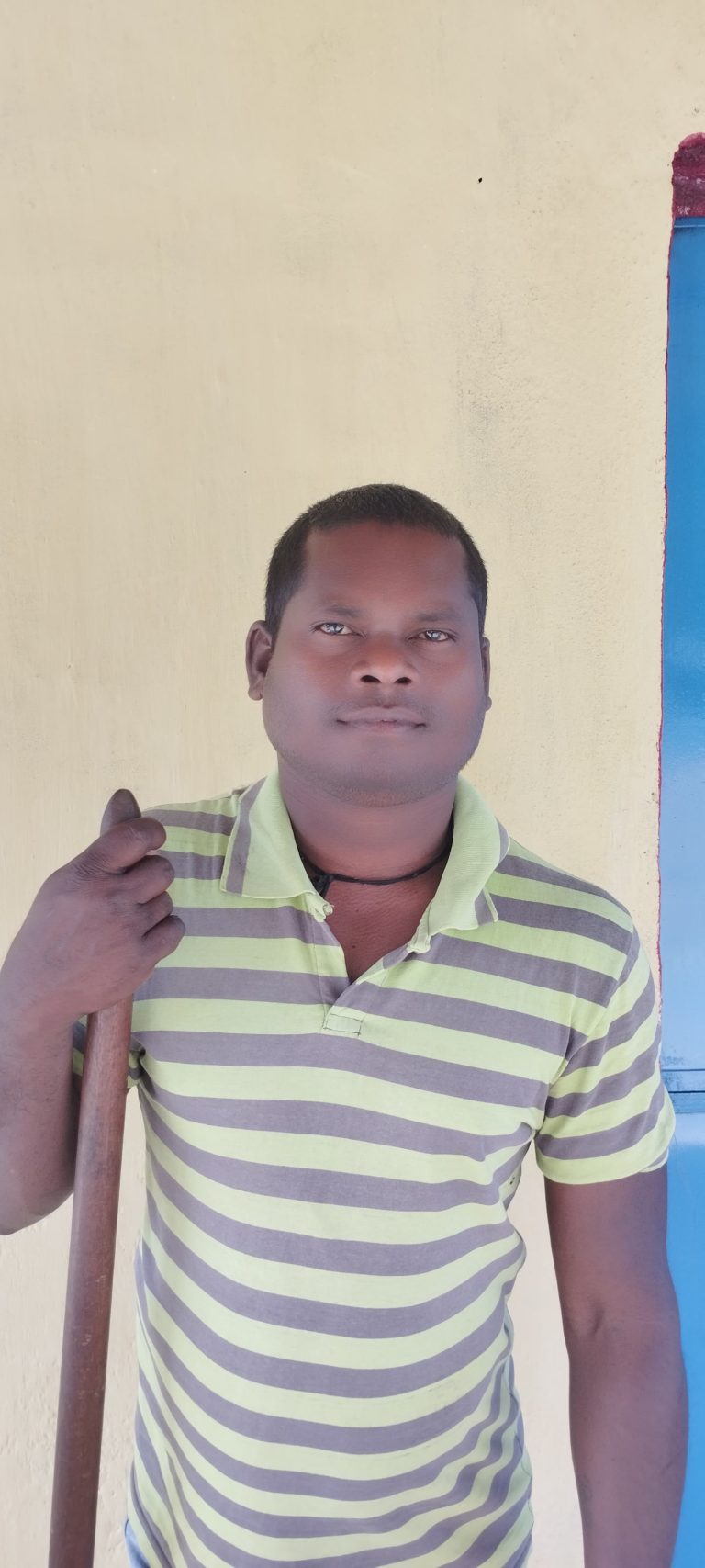
Bhagban Bhatra | Tutuguda, Dhamanaguda Gram Panchayat, Jharigaon Block, Nabarangpur, Odisha
Tutuguda is a remote village in Dhamanaguda Gram Panchayat of Jharigaon Block, located around 30 km from the block headquarters and nearly 50 km from the district headquarters. For livestock-rearing households in the area, accessing timely veterinary and livestock management services has often been difficult. For Bhagban Bhatra, 32, the challenge was personal as well. With a family of 15, he depended on around four acres of rainfed land, seasonal wage labour and a small grocery shop. Having studied up to Class 12, he could not continue his education due to financial and personal constraints. His monthly disability pension of ₹1,400 provided limited financial support, and he was looking for a more sustainable livelihood opportunity.
Building a Livelihood Around a Local Need
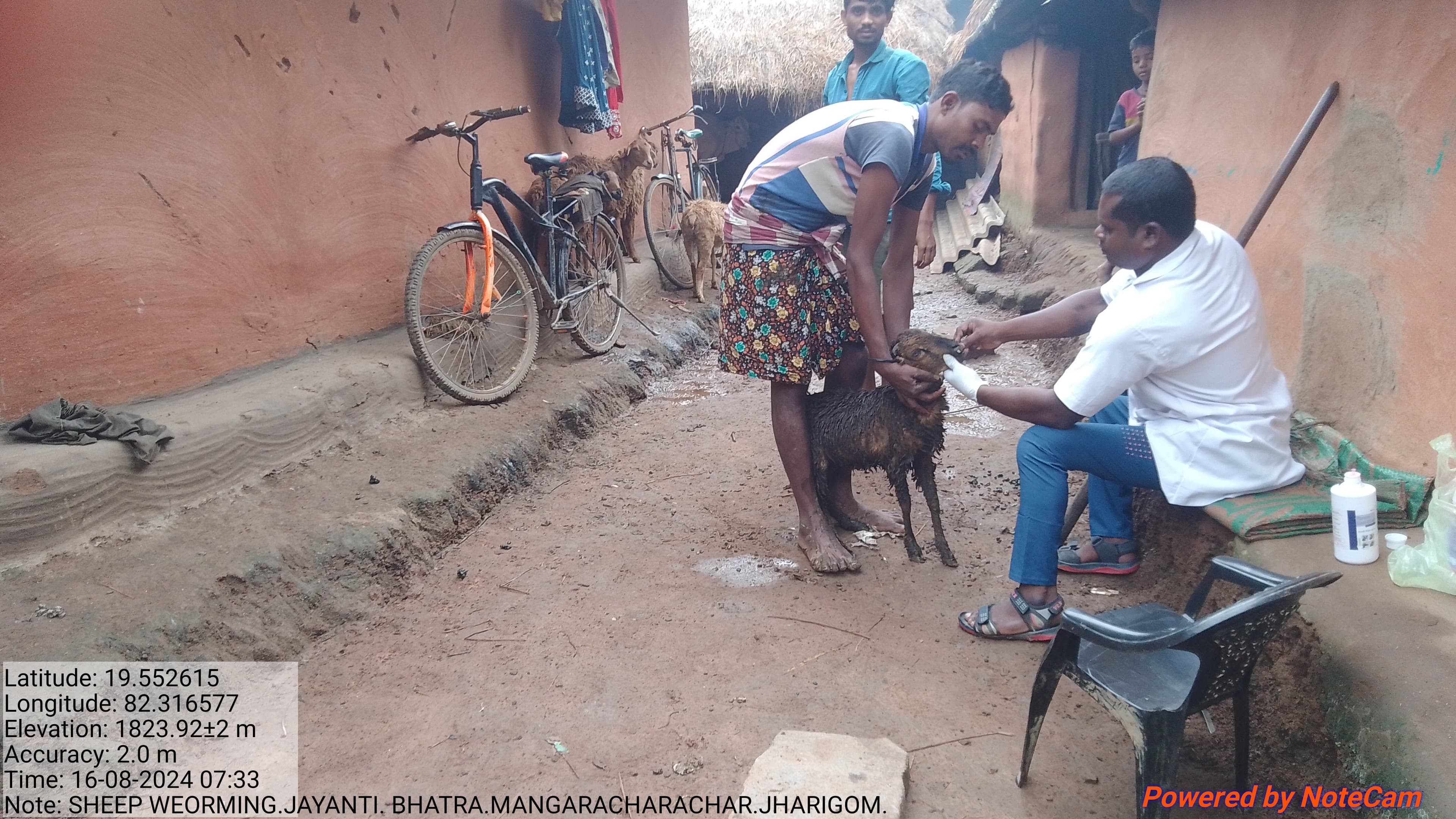
When Harsha Trust introduced an enterprise-building model to address gaps in livestock services, Bhagban recognised an opportunity to build a livelihood while addressing a need in his community. He underwent 14 days of training covering five livestock management modules and began applying the knowledge in his own locality.
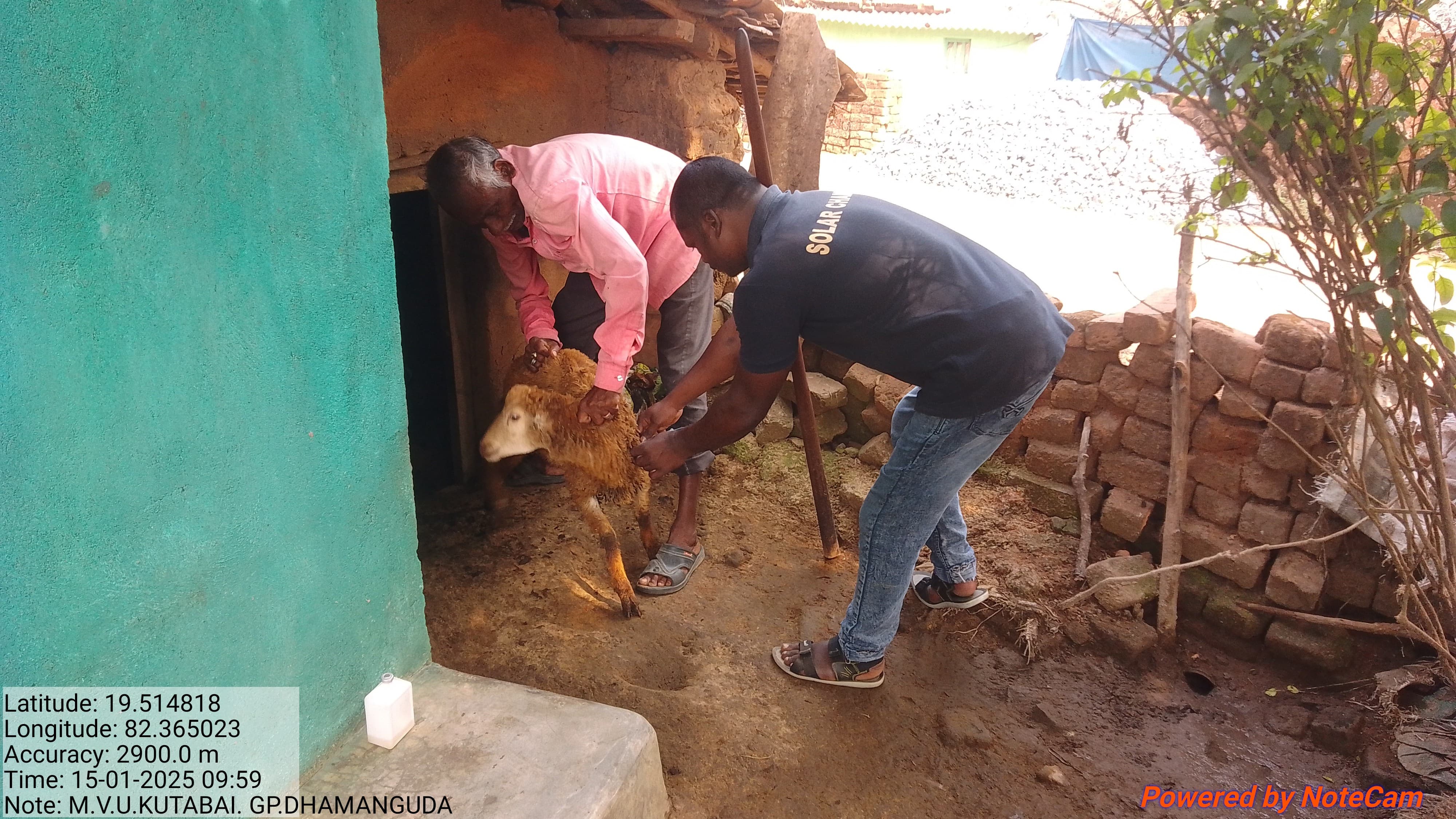
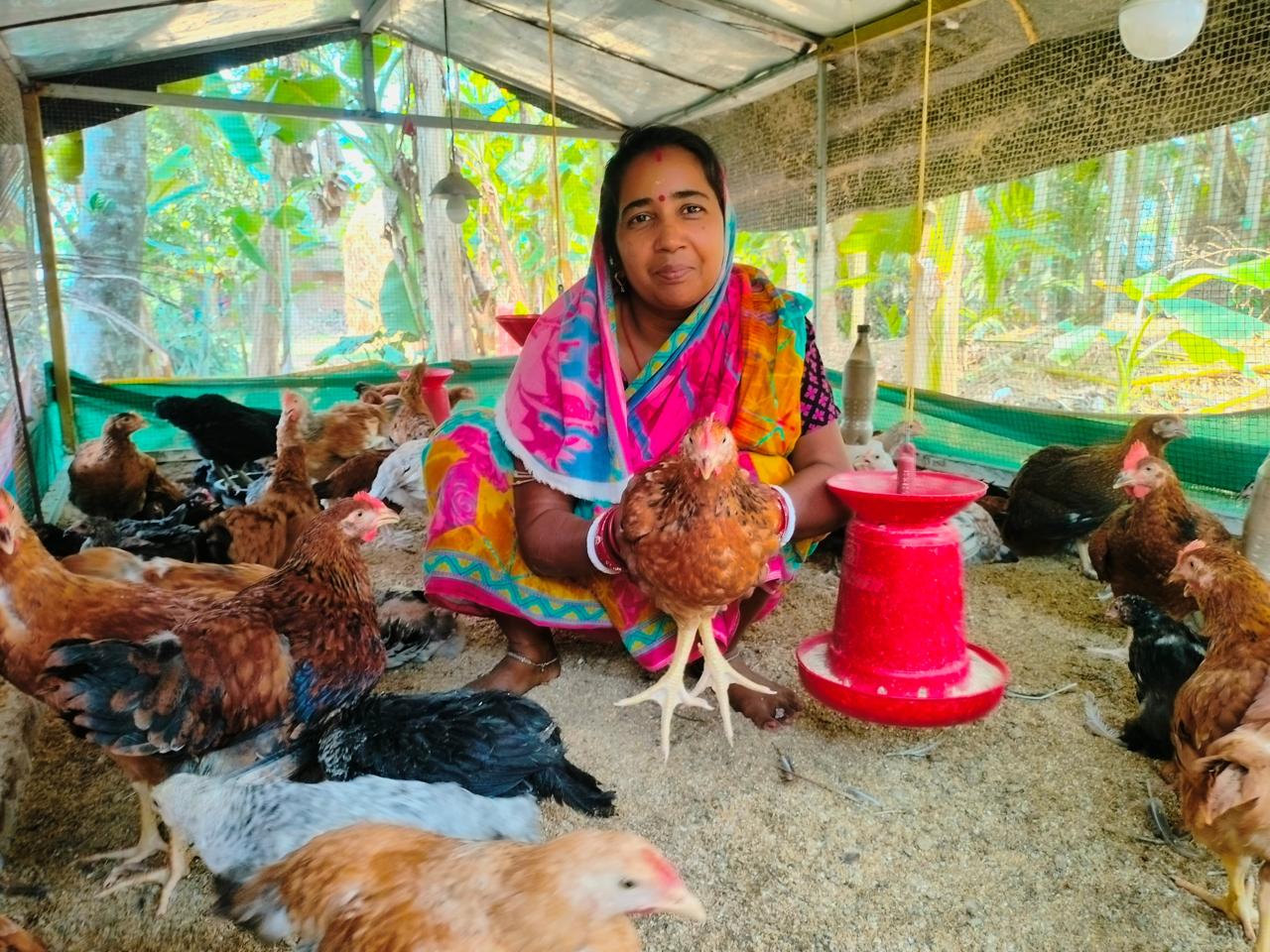
The training equipped him to provide services such as deworming and vaccination, primary treatment, nutritional guidance, livestock care and shelter management, postnatal care, castration and feed preparation for poultry and small ruminants. As farmers experienced the value of having these services closer to home, demand gradually increased. What began as an individual livelihood opportunity developed into a local livestock service enterprise.
Today, Bhagban regularly serves eight villages in Dhamanaguda Gram Panchayat and extends services to four additional villages on request. His service coverage includes approximately 5,000 poultry birds and 1,000 goats, along with occasional services for cattle and buffaloes.
Growing an Enterprise and Expanding Access
The growth of the enterprise has also translated into a significant improvement in Bhagban’s income. His first-month income from the enterprise was around ₹2,000. He now earns an average of ₹12,000 per month, with reported peak season monthly earnings reaching ₹18,000. His annual enterprise revenue is approximately ₹1.50 lakh, with a reported annual net income of ₹75,000.
The scale of his services reflects the demand generated over time. Bhagban currently supports around 1,350 households and provides services covering approximately 35,000 poultry birds and 1,815 goats. Farmers pay him directly for different services, creating a service-based livelihood model that can continue beyond project support.
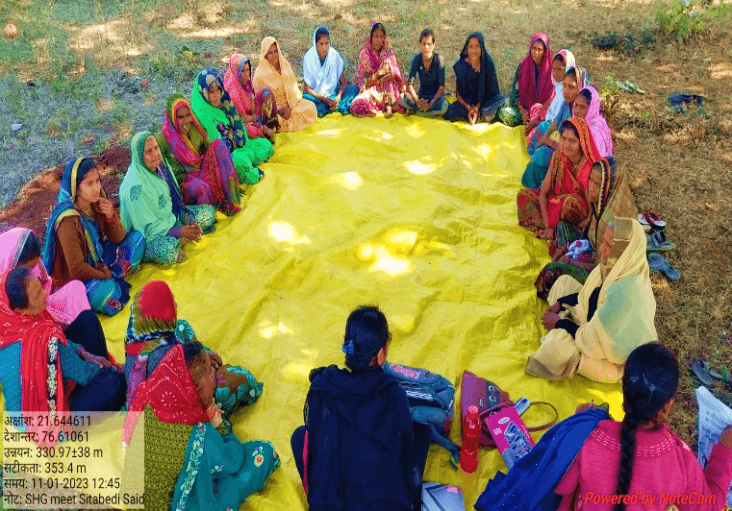
His role has also expanded beyond individual service delivery. He works closely with the Animal Resource Development Department and the local Livestock Inspector. When the Mobile Veterinary Unit is scheduled to visit the area, he mobilises farmers in advance and helps ensure that livestock are available for vaccination and treatment. This coordination enables government veterinary services to reach more livestock-owning households in remote locations.
Connecting Farmers to Government Opportunities
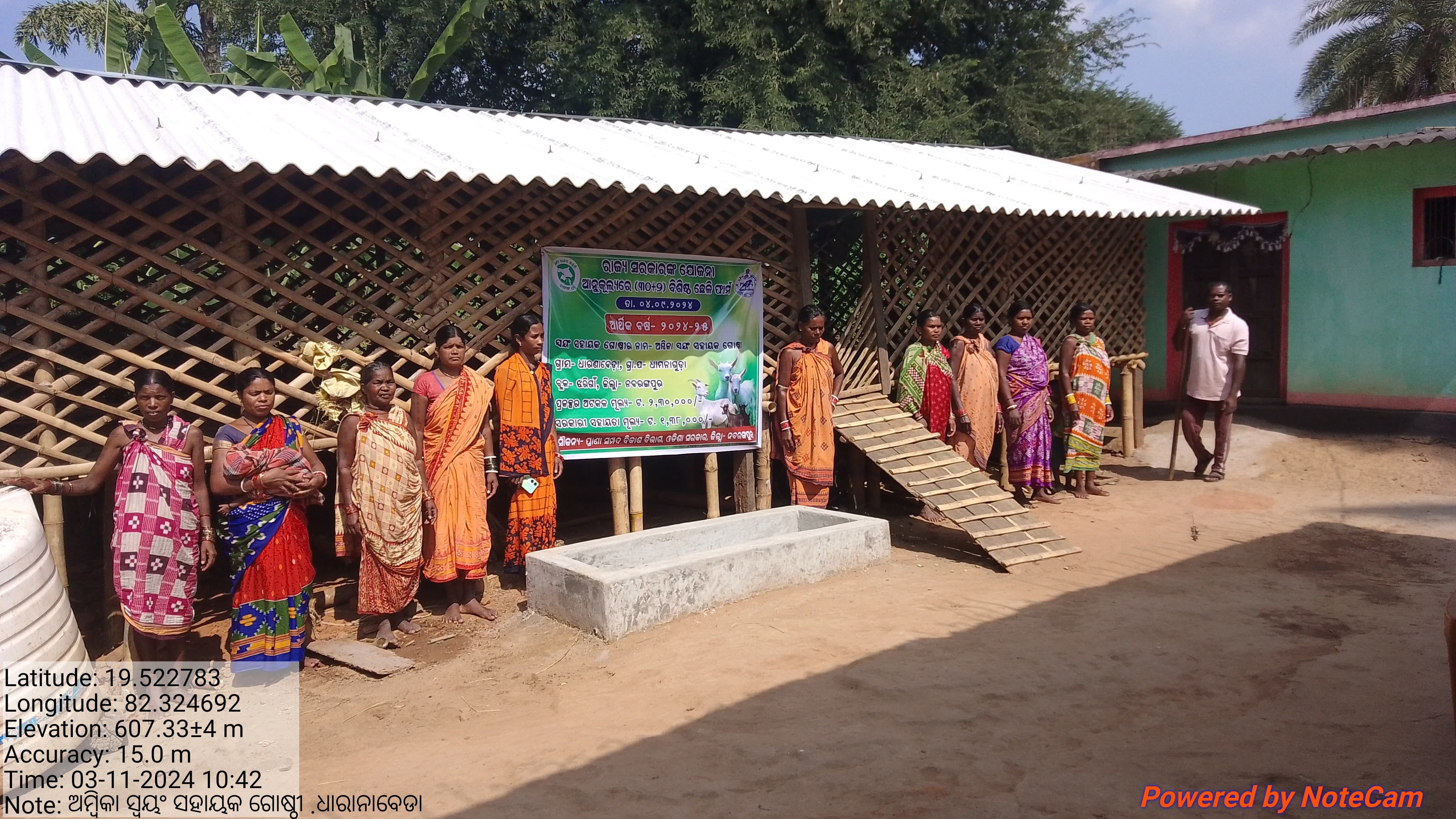
Bhagban has gradually emerged as a link between farmers and different government schemes and services. During 2024, he facilitated access to poultry shed, goat farm, dairy, piggery, and fishery-related schemes for farmers in his area.
He has also helped farmers connect with government schemes and livelihood opportunities. Through his facilitation, 136 households accessed support for 4 poultry farms, 20 goat farms, 1 dairy unit, 1 piggery unit, and 110 fishery initiatives, with benefits worth ₹2.3 lakh reaching farmers during 2024.
Additionally, he also creates awareness among farmers about programmes related to Foot and Mouth Disease control, artificial insemination, Kamadhenu, fodder promotion, poultry and goat farming support. His role has therefore evolved from a livestock service provider into a last-mile link connecting farmers, government departments and livelihood opportunities.
Improving Livestock Survival at the Household Level
The impact of improved access to timely livestock services can also be seen in reported changes in mortality. At the household level, poultry mortality has reduced from 12 birds out of 30 to 3 birds, while goat mortality has reduced from 3 goats out of 10 to 1 goat. These changes indicate the value of timely vaccination, deworming, treatment, and nutritional guidance in protecting livestock assets and improving the returns from livestock rearing.
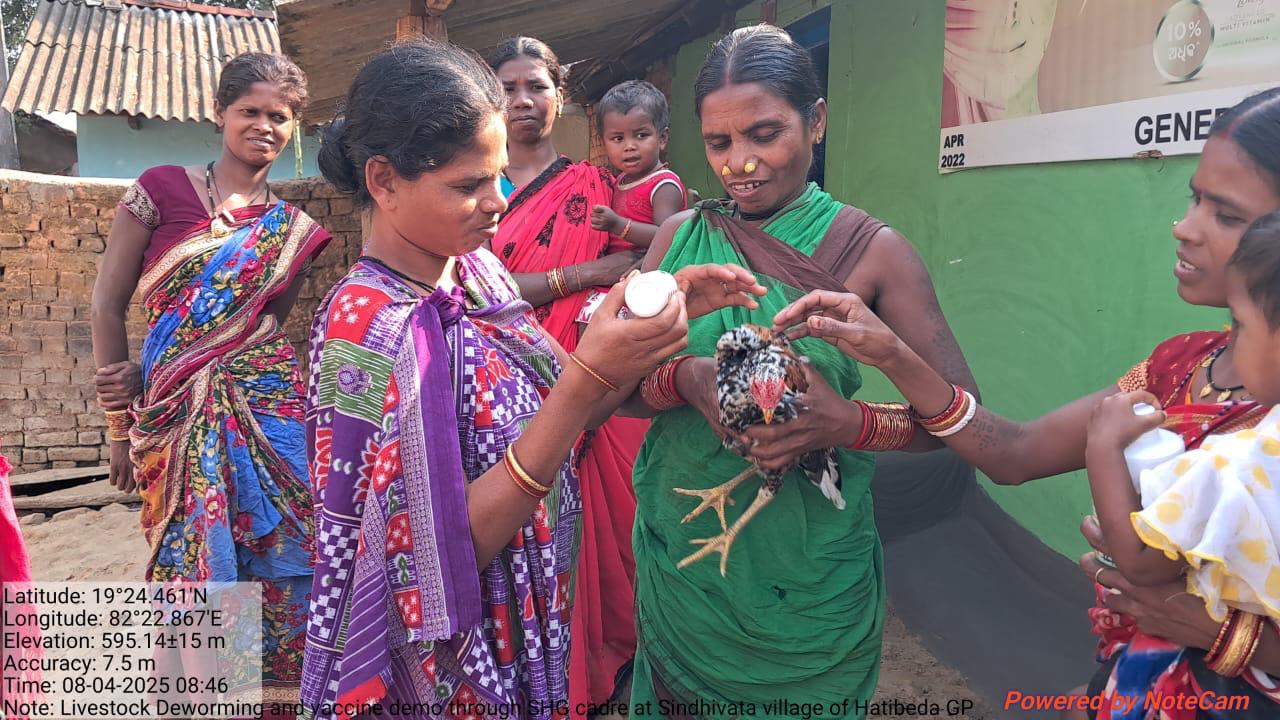
For households dependent on livestock as an important source of income, reducing preventable losses can directly strengthen the value of their animals as productive assets.
A Livelihood Built on Trust
For Bhagban, the transformation is not limited to income. His work has expanded his relationships with farmers and government functionaries and strengthened his standing within the community. As he explains:
“After working as an LE, my interaction with people increased. Government departments such as Agriculture, Horticulture and Mission Shakti also began coordinating with me to take different government schemes to our area. This improved my financial condition as well as my social recognition.”
Farmers also value the accessibility of his services. One farmer shared that veterinary services were not always available through the government department, but after Bhagban began working in the area, livestock services could be accessed at the doorstep and at the time they were needed. The farmer also linked this improved access with better returns from livestock rearing.
Bhagban has now started a 30+2 goat-rearing model in convergence with the Livestock Department, further strengthening his own enterprise while deepening his engagement with the livestock system.
Looking Ahead
Bhagban’s next goal is to deepen his technical knowledge, expand his services to more villages and eventually establish his own livestock farm. His journey demonstrates how a livelihood intervention can respond simultaneously to two challenges: creating a sustainable income opportunity for an individual and addressing a critical service gap for livestock-rearing households.
From a small grocery shop and limited livelihood options, Bhagban has built a service enterprise that now reaches thousands of livestock across multiple villages. More importantly, he has become a trusted local resource through whom farmers can access livestock care, government services and livelihood opportunities closer to home.
His story demonstrates the potential of investing in local service providers to strengthen both individual livelihoods and the wider rural livestock economy.