Integrated Early Child Care and Nutrition
Why Sisu Ghara
In the hilly, scattered settlements of Rayagada, one of Odisha’s aspirational districts, nearly 96,500 children under five face a crisis that rarely makes headlines. Here, 44% are stunted, 40% underweight, 16% wasted, and 70% anaemic, numbers well above the state’s already concerning averages, where only 20.4% of children aged 6–23 months receive an adequate diet (NFHS-5).
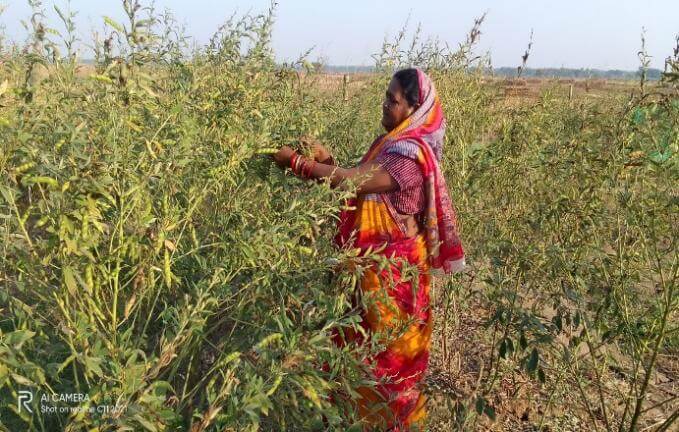
In tribal households across Muniguda block, parents work the forests and fields through Dangar chasa, wood collection, and NTFP gathering, leaving young children in the care of siblings, neighbours, or the elderly. This is how malnutrition takes hold, unattended, during a child’s most critical years. Existing efforts like PPK addressed spot-feeding, but the deeper need for consistent, daily caregiving and stimulation remained unmet.
Harsha Trust, in collaborative partnership with Azim Premji Foundation, initiated Sisu Ghara — Community Creches in rural villages of Muniguda block, Rayagada, as a sub-component of the Community Nutrition Programme.
What We Do
Sisu Ghara is built on a simple premise: children aged 0–3 need more than food. They need a safe place to be children, while their mothers are free to work. Each creche offers structured caregiving, nutritious meals tailored to local diets, hygiene practices, and regular health monitoring, with special attention to children showing signs of Severe or Moderate Acute Malnutrition (SAM/MAM), who are counselled, referred, and linked to VHNDs, PHCs, and CHCs.
The model did not begin with assumption. A feasibility study across 17 Gram Panchayats and 405 villages in Muniguda block first mapped where the need was greatest, assessing nutrition status, Anganwadi functionality, and existing PPK coverage. From this evidence, Sisu Ghara was piloted in 2–3 panchayats, then scaled, first to 15 creches within 45 days, and within a year, to 80 creches across Muniguda and Chandrapur blocks.
Components of the Creche
- Site Selection – with a high concentration of 0–3-year-old children, particularly those lacking PPK services and with a prevalence of SAM/MAM cases, in accessible community spaces
- Structured Caregiving — two trained caregivers per creche, overseen by a supervisor coordinating across ten creches
- Nutritious Meal Plans — customised, locally appropriate meals to meet children’s nutritional requirements
- Focus on SAM/MAM Children — dedicated counselling, referral, and linkage with Community Nutrition Programs and treatment at VHNDs or PHC/CHCs
- Community Engagement and Ownership — mothers, parents, and women’s SHGs engaged to build support and long-term sustainability
- Monitoring and Capacity Building — cluster coordinators and nutrition experts providing regular training and support to caregivers
Key Highlights of the year — 2025–26
- Rapid expansion, strong acceptance: 15 creches were established within 45 days, benefitting over 135 children. Within a year, this grew to 80 creches across Muniguda (60) and Chandrapur (20) blocks.
- Improved nutritional outcomes: MAM prevalence among enrolled children fell from 6.6% to 4.85%; SAM prevalence fell from 2.3% to 1.3% over the year, with early signs of improved weight gain and active engagement, and SAM/MAM children identified and referred to VHNDs, PHCs, and CHCs.
- Behavioural change among mothers: Mothers report newly available time, now confident leaving their children in safe, supervised spaces while they focus on livelihood activities.
- Rising community awareness and ownership: Parents are now more aware of children’s nutritional needs and the importance of caregiving and hygiene. Hand-washing practices learned at the creche are carried home in at least 50% of creche villages, and community members are volunteering to contribute to the creches.
Case Story
A Safe Place for Gelubabu, Jagadalpur’s Sisu Ghara
Before June 2025, Gelubabu Kusulia’s world was the muddy ground around his family’s home in Jagadalpur village: stagnant water and places where no 2.5-year-old with a history of fits should be left unsupervised. But supervision was a luxury his family, daily-wage labourers with four other children, could rarely afford. His mother managed only 4–5 working days a month. Every day at home was a day of lost wages, and every day at work was a risk to her son. For families dependent on daily wage labour, access to reliable childcare is closely linked to their ability to participate in work. Gelubabu Kusulia, a 2.5-year-old boy from Jagadalpur–A village, lives in a family of six and is the third child. His parents work as daily-wage labourers and depend on regular work to meet the household’s basic needs. Although the family has a pucca house under the Pradhan Mantri Awas Yojana–Gramin, both parents need to work outside the home to support the family.
Gelubabu was enrolled in the village creche on 21 June 2025. The creche currently has 19 children enrolled, ranging from 7 months to 3 years of age, with an average daily attendance of 72.69%. For Gelubabu’s family, the creche has provided a structured childcare arrangement that allows both parents to continue working while ensuring that their young child receives regular care, food and supervision.
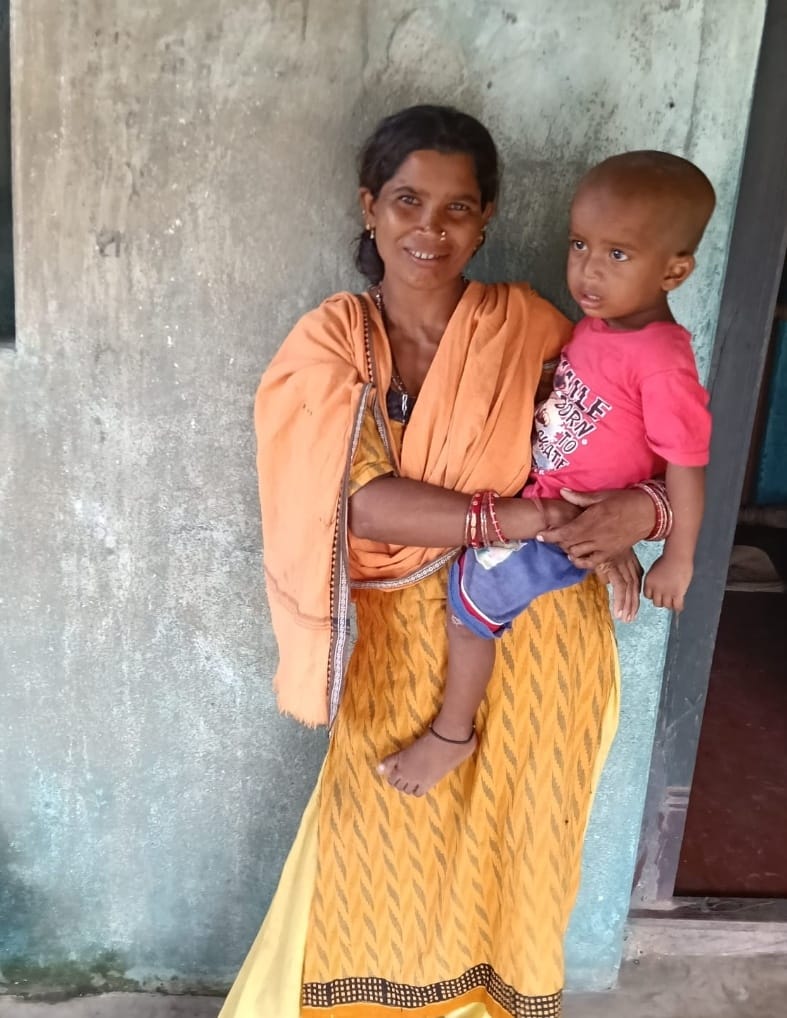
Before Enrolment: Limited Supervision and Safety Concerns
Before joining the creche, Gelubabu spent much of his time around the house, including in muddy areas, sand and places with stagnant water. His parents reported that he fell ill approximately once or twice a month. His care was further complicated by a history of fits, which required close supervision to reduce the risk of injury.
As both parents had to work, providing continuous supervision at home was difficult. This created a particular concern for the family because Gelubabu needed to be protected from situations that could cause injury, such as being near water, stairs or hard and sharp objects.
The childcare responsibility also affected his mother’s ability to participate in paid work. Before Gelubabu joined the creche, she was able to work for only 4–5 days a month, while his father worked approximately 20–25 days a month.
A Structured Day at the Creche
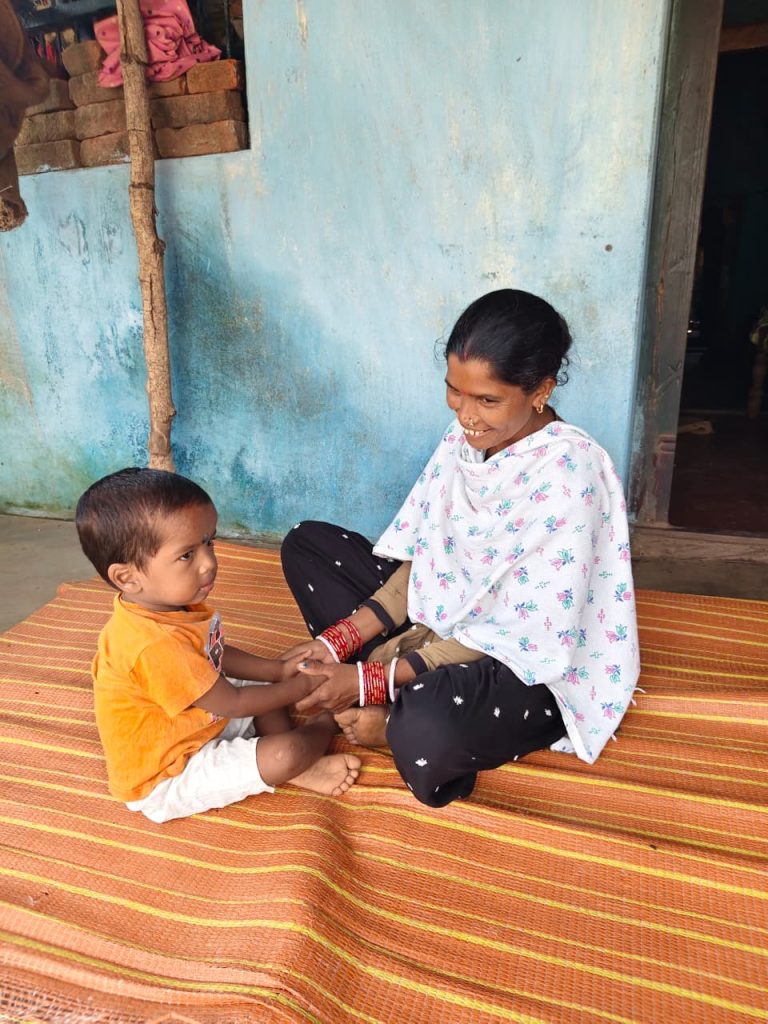
The creche operates from 8:30 a.m. to 4:00 p.m., providing children with care throughout the main working hours of their parents. Gelubabu initially cried and was reluctant to stay at the centre. With consistent care and interaction, he gradually became comfortable and now participates in activities with the other children.
His day at the creche includes meals, rest, hygiene and play-based developmental activities. In the morning, children are provided chhatua. The afternoon meal includes rice with dalma and one boiled egg, or khichdi. In the evening, sooji or ragi is provided on an alternate basis. Regular meals ensure that children receive food during the hours they remain at the centre.
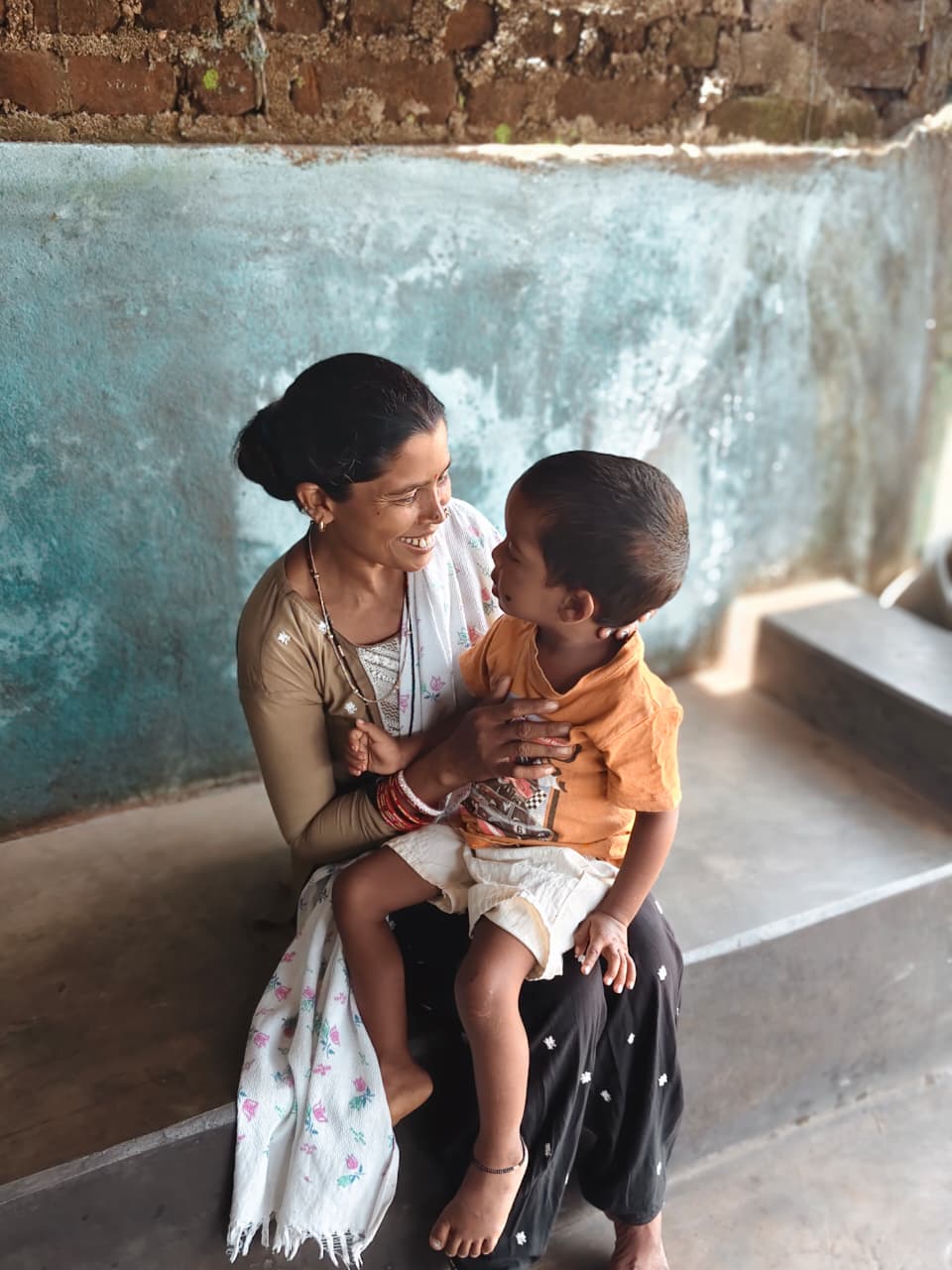
The caregiver gives particular attention to Gelubabu during feeding, hygiene, sleeping and developmental activities. During rest, a soft mattress is used to provide a safer sleeping environment. The caregiver also ensures that hard, sharp and hot objects are kept away from him and that he remains away from water and stairs.
Because of his history of fits, the caregiver remains attentive to his condition and maintains the necessary emergency contacts, including those of the ambulance service, ASHA, ANM and AWW. In case of a fit at the creche, the caregiver contacts his parents and coordinates with the frontline ASHA worker.
Care, Hygiene and Early Development
The creche’s care extends beyond supervision. Children are encouraged to follow basic hygiene practices, including washing their hands before feeding and after using the toilet. The caregiver cleans Gelubabu’s nose gently using a clean, dry handkerchief and changes wet clothes immediately. These practices help keep him comfortable and maintain basic hygiene during the day.
The caregiver also uses a calm and affectionate approach while interacting with the children. Polite communication, attention and reassurance are used to help children feel comfortable in the centre.
Along with routine care, Gelubabu participates in activities such as games, songs, storytelling and drawing. These activities provide opportunities for interaction with other children and support his participation in age-appropriate learning and play.
The creche also conducts growth monitoring and coordinates with ASHA, ANM, AWW and other health workers when required. For Gelubabu, this coordination provides an additional support system for monitoring his wellbeing while he remains at the centre.
Regular Attendance and Greater Work Participation
Gelubabu’s attendance reflects the extent to which the creche has become part of his routine. During July, he attended the creche on all 26 out of 26 days, and he has attended the centre for 13 months. His health condition, which was a concern for his parents before enrolment, has remained stable while he has received regular supervision and care at the creche.
The change for his parents is particularly measurable. His mother’s work participation has increased from 4–5 days a month to approximately 22–23 days a month. His father, who previously worked around 20–25 days a month, is now able to work throughout the month.
For a household dependent on daily wages, this represents an important change. The availability of dependable childcare has reduced the need for the mother to remain at home to provide continuous care and has allowed both parents to participate more consistently in livelihood activities.
Community Participation and Acceptance
The value of the creche has also been recognised within the village. Community members have adopted and discussed the childcare and feeding practices followed at the centre. Parents and neighbours share their experiences in workplaces and during Creche Management Committee (CMC) meetings and encourage other mothers to bring their children to the creche.
The CMC meets once every month, providing a regular platform for discussing the functioning of the centre and the needs of the children. This continued community involvement has contributed to greater acceptance of the creche and increased attendance.
Mothers in the village have expressed appreciation for the service, particularly because it allows them to work while their young children remain in a safe and supervised environment.
Gelubabu’s mother acknowledges the role of the creche and its caregiver:
“Whatever improvement has been for the child, it is because of the crèche centre and the Creche Care Giver (CCG). Because of their support, there is improvement in my child’s life.”
Gelubabu’s experience demonstrates the role of community-based childcare in supporting both children and working families. When childcare includes regular nutrition, hygiene, supervision, developmental activities, health coordination and community participation, it can provide parents with greater confidence to work while ensuring that young children receive consistent care during the day.
Enrolment at the village creche changed that arithmetic. From 8:30 a.m. to 4:00 p.m., Gelubabu now has a mattress to rest on, meals timed to the day (chhatua in the morning, rice and dalma or khichdi at noon, and ragi in the evening), and a caregiver who keeps him away from stairs, water, and sharp edges. Because of his history of fits, the caregiver remains attentive to his condition and maintains the necessary emergency contacts, including those of the ambulance service, ASHA, ANM, and AWW.
The creche also conducts growth monitoring and coordinates with ASHA, ANM, AWW, and other health workers when required, giving Gelubabu’s family additional support to track his wellbeing.
He cried at first. Thirteen months later, he now plays, sings, and draws alongside the other children. His mother now works 22–23 days a month, while his father, uninterrupted, works through the month.
The creche’s value is recognised in the village, with community members adopting its childcare and feeding practices. Parents and neighbours also share their experiences, encouraging other mothers to enrol their children.
“Whatever improvement has been for the child, it is because of the crèche centre and the Creche Care Giver. Because of their support, there is improvement in my child’s life.”
— Gelubabu’s mother
Gelubabu is one of 19 children enrolled at the creche, ranging from 7 months to 3 years, with an average daily attendance of 72.69%. Today, Sisu Ghara has grown to 80 creches across Muniguda and Chandrapur blocks, each one holding open the same possibility for another family: a child cared for, and parents free to work.