Village: Atanda
Block: Nandapur
Introduction
Just two years ago, Chanchala Nayak spent hours traveling with heavy sacks of paddy, waiting outside distant mills—often returning home exhausted, sometimes without getting her grain processed.
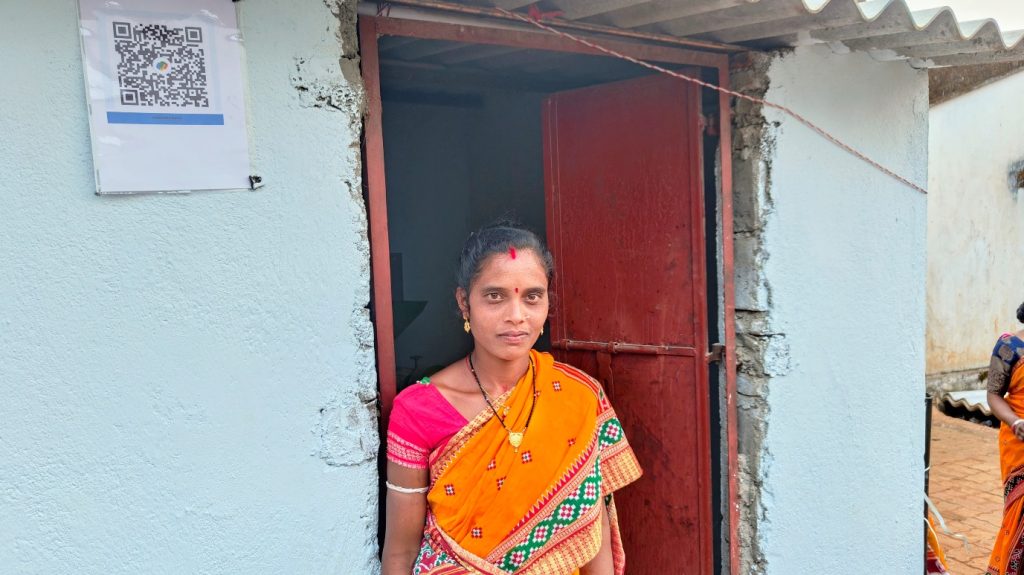
Today, she runs a solar-powered rice mill that serves over 200 people.
Her journey reflects a powerful transformation—from unpaid labourer to entrepreneur, from silent contributor to decision-maker.
The Challenge: Time, Distance, and Uncertainty
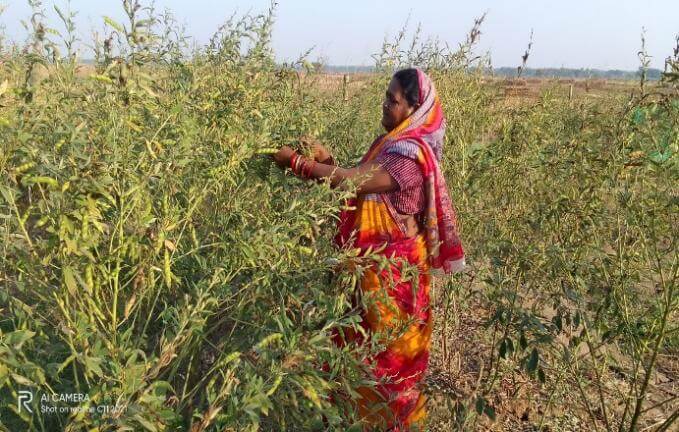
In Atanda village of Nandapur block in Koraput district, agriculture—primarily paddy and millet cultivation—is the main source of livelihood. However, as part of post-harvest management, the village lacked access to essential processing facilities such as a rice huller and millet pulverizer. This significantly limited timely and convenient milling services for the community.
As a result, villagers had to depend on mills located 4–5 kilometres away, requiring 4–5 hours per trip, including travel and waiting time. The situation was further worsened by frequent power cuts, often leading to mills being non-operational for hours and sometimes even for days.
Women, who were primarily responsible for processing household grain, faced the greatest burden. Many times, they were forced to return home without completing the work.
“There were days I came back with the same sack. It felt like all the effort was wasted.”
This not only increased physical drudgery and time burden but also affected household productivity and limited opportunities for income generation.
The Intervention: A Women-Led Solar Enterprise
Before joining the Self-Help Group (SHG), Chanchala was entirely dependent on her family’s income. Her family owned around 1.5 acres of land, where they cultivated paddy, millet, and vegetables during the Kharif season. This provided an annual income of approximately ₹1–1.2 lakh, which was used to meet household expenses and basic needs.
Despite having some level of formal education, Chanchala often felt the desire to do something of her own—to contribute independently and support her family beyond farm work.
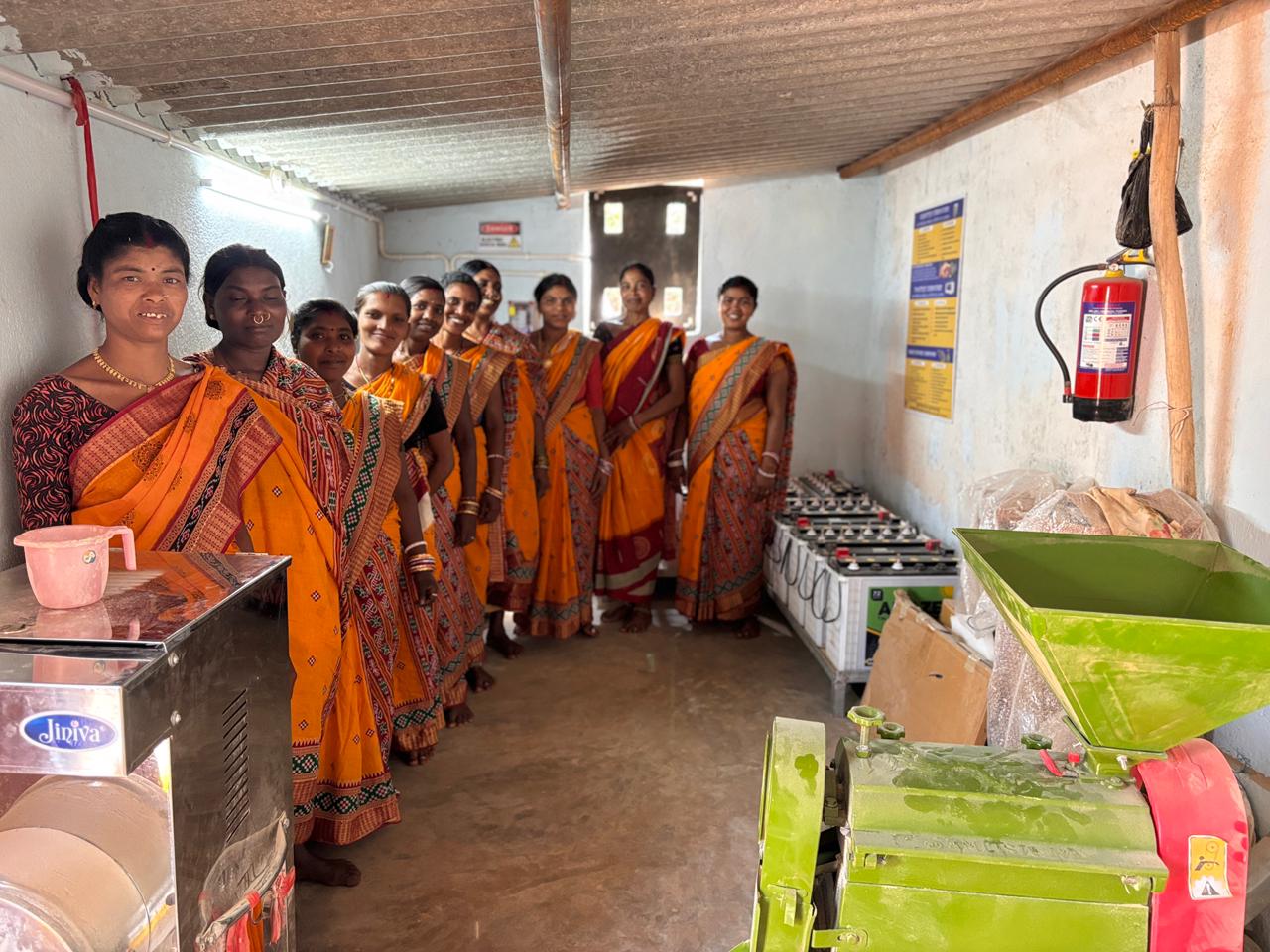
In July 2022, she joined the Maa Bhairabi SHG, a collective of 10 women engaged in savings and livelihood activities. Her consistency, discipline, and proactive nature quickly set her apart, and she was soon elected as the President of the SHG.
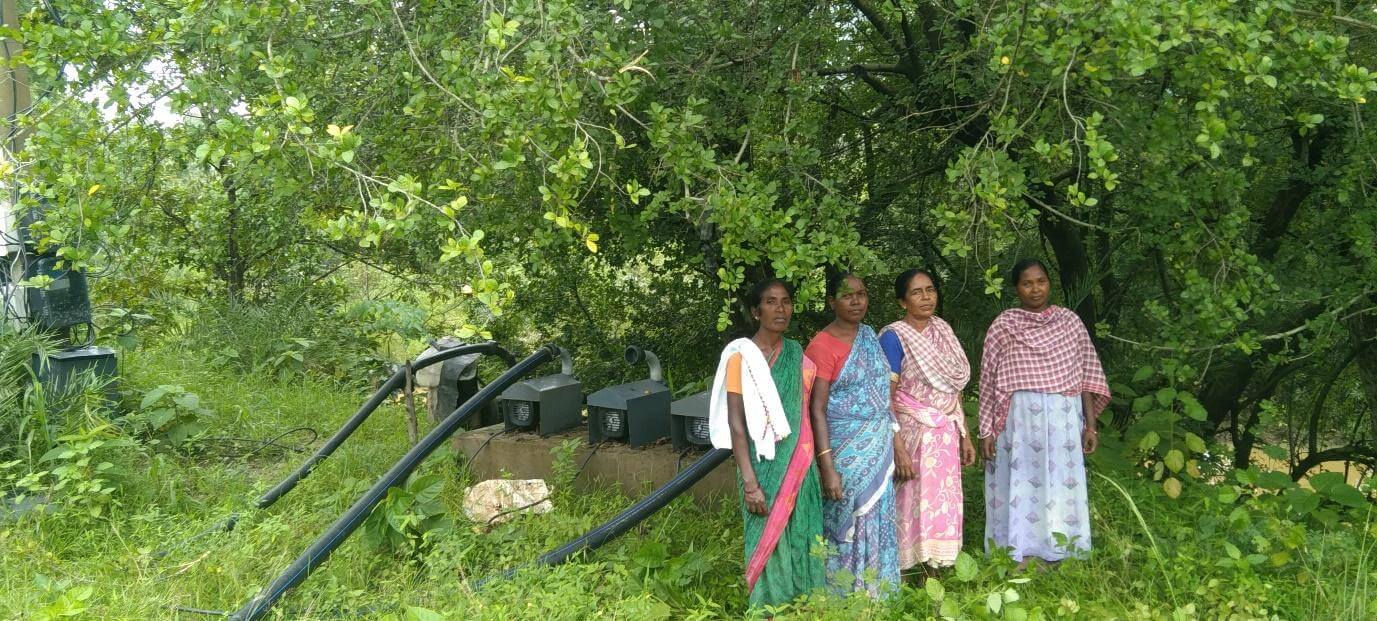
A turning point came in early 2025, when a solar-powered rice huller and millet pulverizer unit was introduced in the village through Harsha Trust, with support from Selco Foundation and UNDP. The enterprise was entrusted to the SHG, promoting women-led ownership and management.
Recognizing her leadership and commitment, the group selected Chanchala as the Operational Manager of the enterprise.
On June, 2025, the enterprise—Rice Huller & Pulveriser Unit—was formally established, marking a significant milestone in her journey.
For the first time in her life, Chanchala’s name was associated with an enterprise—not as a labourer, but as a leader and decision-maker.
“Before the mill, I had no income I could call my own. Today, I understand every rupee that comes in—and what it means for my family.”
Managing the Enterprise: From Learning to Leading
Today, Chanchala manages the daily operations of the solar-powered rice huller and millet pulveriser, serving over 200 people across 5 nearby villages. The mill operates in two shifts to accommodate community needs:
- Morning: 7:00 AM – 10:00 AM
- Evening: 4:00 PM – 9:00 PM
With training support from Harsha Trust, Chanchala has developed the technical and managerial skills required to run the enterprise efficiently. She is responsible for:
- Milling of paddy and ragi (millets)
- Machine operation and quality control
- Record keeping and financial management
- Coordinating with a team of three SHG members
What once took half a day for households is now completed within 30–45 minutes, significantly reducing time and effort.
A Smart and Sustainable Business Model
The enterprise follows a thoughtful and locally adapted pricing system:
- Millet milling: ₹3 per kg
- Paddy milling: Instead of cash, customers provide rice husk, which is later sold at approximately ₹6 per kg
This husk-exchange model reflects Chanchala’s growing business acumen, as it ensures additional income while keeping services affordable. The effective milling cost for paddy remains competitive at around ₹3–3.5 per kg.
Income and Financial Management
The mill generates a daily income:
- Paddy huller: approximately ₹480 per day
- Millet pulveriser: approximately ₹250 per day
This translates into a monthly income of approximately ₹14,000–15,000 from paddy and ₹7,000 from millet, as recorded in their financial registers.
While operations vary across seasons, the enterprise generates an estimated annual income of ₹1.4–1.8 lakh for Chanchala when run consistently.
Collective Effort and Profit Sharing
The enterprise is not just an individual effort but a collective SHG-led initiative.
- 3 SHG members support operations, including:
- Cleaning the mill
- Managing rice husk sales
- Maintaining financial records
Each member earns a minimum of ₹2,000 per month, while Chanchala earns around ₹6,000 per month for her managerial role.
Additionally:
- 10% of total earnings is set aside for maintenance
- The remaining income is saved in the SHG’s bank account
This model ensures sustainability, transparency, and shared benefits among members.
Challenges and Resilience
So far, the enterprise has faced only minor technical issues, such as occasional grain breakage. These are quickly resolved with support from trained local resources, including Chanchala’s husband, who has received training in solar system maintenance.
This local capacity has ensured smooth and uninterrupted functioning of the mill.
A Growing Sense of Confidence
Beyond income, the most significant change has been in Chanchala’s confidence and identity.
“I never thought I could run a machine or manage money. Now that I am doing it, it motivates me to keep moving forward.”
From learning how to operate the machine to managing finances and leading a team, Chanchala has emerged as a capable entrepreneur and a trusted service provider in her community.
Economic Impact: From No Income to Financial Contributor
Chanchala now earns approximately ₹6,000 per month, translating to an annual income of around ₹75,000, which has brought a new level of financial stability to her household.
Earlier, the family relied entirely on seasonal agricultural income, which was uncertain and limited. Today, with her steady earnings from the mill, the household income has increased to nearly ₹1.9 lakh per year. This shift has reduced financial stress and enabled the family to meet their expenses more comfortably.
For the first time, the family has begun to save regularly and plan for the future, rather than just managing day-to-day needs.
More importantly, Chanchala’s role within the household has transformed. She is no longer just a contributor through labour, but an active financial partner.
“Now, I have an equal say in decisions made for my family.”
Beyond Income: Leadership and Empowerment
Chanchala’s journey reflects a deeper transformation that goes beyond economic gains.
Today, she is:
- A leader within her SHG, guiding and supporting other members
- A service provider, catering to multiple villages
- A role model, inspiring other women to step into new roles
The enterprise has also created livelihood opportunities for three additional SHG members, strengthening collective empowerment and shared ownership.
At the same time, her journey is not without challenges. She continues to balance household responsibilities alongside enterprise management and navigates increased workload during peak agricultural seasons. Despite this, she has shown remarkable resilience and adaptability.
Impact at a Glance
The solar-powered enterprise has created a measurable impact at both household and community levels:
- Villages Covered: 5
- Households Served: 200+
- Women Engaged: 4
- Time Saved: 3–4 hours per household
- Annual Income (Chanchala): ~₹75,000
- Enterprise Model: SHG-owned | Women-led | Solar-powered
The Road Ahead
Encouraged by her success, Chanchala now aspires to expand her efforts by establishing a solar-powered oil mill. She envisions creating additional livelihood opportunities for women in her community and strengthening local value addition.
“If one enterprise can change our lives, we can build more together.”
Conclusion
Chanchala Nayak’s journey demonstrates the transformative impact of access to opportunity, appropriate technology, and collective support.
From walking long distances carrying grain to managing a solar-powered enterprise, she represents a powerful shift from dependence to dignity, and from labour to leadership.
Today, her story is not just about income—it is about confidence, recognition, and the courage to lead change.