SUMMARY
In coastal Odisha, access to safe drinking water remains a daily struggle due to saline groundwater and unreliable sources. In Biswali village of Jagatsinghpur district, this burden fell heavily on women, affecting health, time, and livelihoods. With support from HDFC Bank Parivartan, Harsha Trust facilitated a community-managed RO plant, led entirely by women. Eighteen months later, 570 households drink clean water, waterborne diseases have fallen sharply, and the women’s collective running the plant nets ₹55,000 every month. The women-led enterprise has improved health outcomes, reduced drudgery, and strengthened women’s leadership and dignity.
| 570 | ₹55,000 | ₹4.77L+ |
| Households Covered | Net Monthly Surplus | Cumulative Revenue |
| 24 | 2–3 hrs |
| Women in WUG | Daily Time Saved per Woman |
Biswali’s Struggle to Meet Safe Water Needs
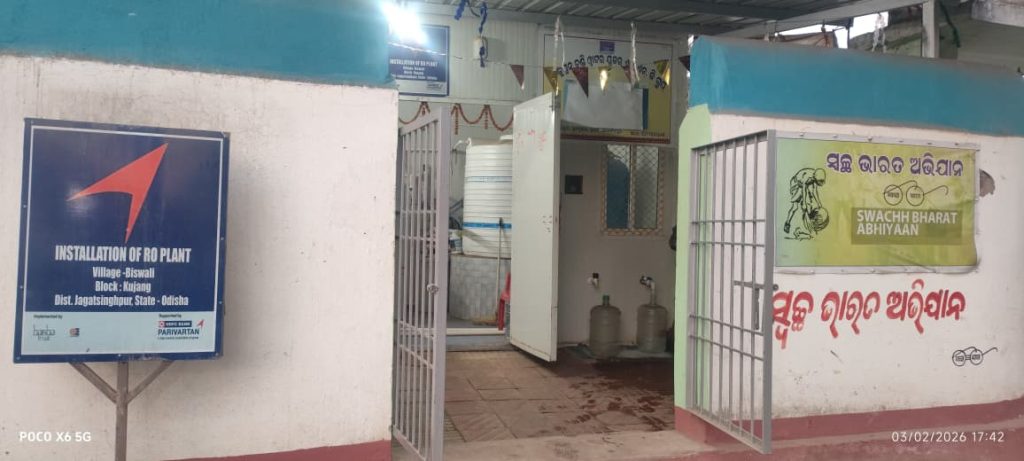
Biswali village, of Kujang block, is located about 65 km from Jagatsinghpur town and 12 km from Paradeep Port, comprises nearly 570 households with a population of around 2,500. Livelihoods primarily depend on rain-fed paddy cultivation, supplemented by wage labour, seasonal migration, and livestock rearing.
Despite a literacy rate of 84.13%, gender disparities persist — women’s literacy stands at 76.78% compared to 91.20% among men. These disparities are reflected in access to resources, decision-making, and the disproportionate burden of water collection.
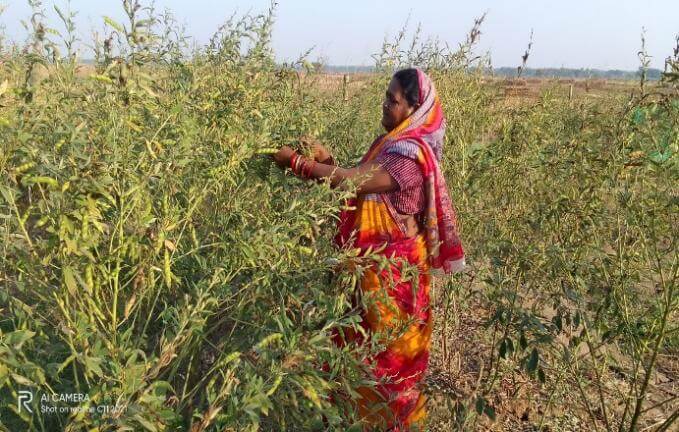
Women bore the primary responsibility of collecting water, often spending 2–3 hours daily. This affected their ability to engage in livelihoods, caregiving, and community participation. Unsafe storage practices further compromised hygiene, especially during dry seasons.
Problem Statement: Saline water and Rising Health Concerns
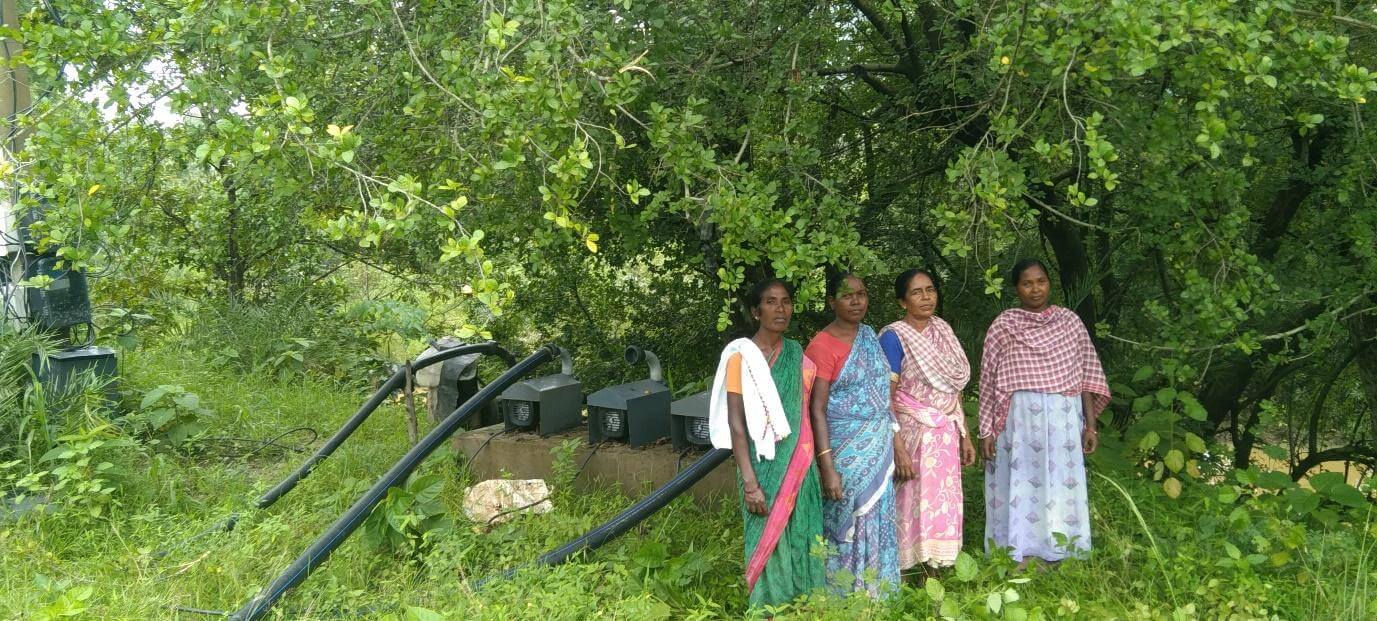
Residents of Biswali primarily depended on saline hand pumps, shallow tube wells, uncovered open wells, seasonal ponds, and irregular piped water supply. These sources were unsafe, unreliable, and often unavailable during summer months.
Women and children were forced to walk long distances multiple times a day to collect water, resulting in significant time loss, physical drudgery, and adverse impacts on health, education, and livelihoods.
Health consequences included:
- Diarrhoea, cholera, and gastric infections
- Skin diseases and kidney-related ailments
- Yellowing of teeth due to high saline content
- Increased vulnerability among pregnant women and infants
- Poor menstrual hygiene management among adolescent girls
“Earlier, women in our village spent several hours every day walking long distances to fetch drinking water. The water was saline and unsafe, often causing illness among our children.”
— Community Member, Biswali
The Turning Point: Formation of Maa Kusunchandi Water User Group
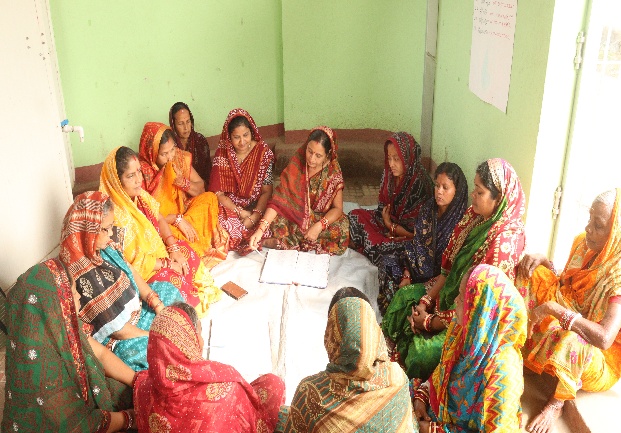
Recognising this urgent need, Harsha Trust initiated field engagement in November 2023, working closely with Panchayat representatives, SHGs, women leaders, and community elders. A detailed baseline survey captured household water usage, health issues, and seasonal challenges.
Community consultations ensured that the solution was locally appropriate, inclusive, and owned by the people. The pivotal moment was the formation of a women-led Water User Group (WUG) named Maa Kusunchandi, comprising 24 members.
Women, who bore the greatest burden of water collection, played a central role in identifying needs, selecting the site, and defining access norms. Their responsibilities included:
- Daily operation of the RO plant and equitable water distribution
- Collection of water charges and maintenance of financial records
- Ensuring timely repairs and maintenance of plant infrastructure
- Addressing community grievances related to water access and distribution
“Since the establishment of the RO drinking water plant, our daily lives have transformed. We now have access to clean and safe drinking water close to our homes.”
— Member, Maa Kusunchandi WUG
RO Plant: A Community-Managed Enterprise
With support from HDFC Bank Parivartan, the RO plant became operational in December 2023 and started functioning from January 2025 onwards. The intervention was designed to ensure continuous access to safe drinking water, reduce water-borne diseases, promote women’s leadership, and establish a financially viable community-run model.
Harsha Trust facilitated:
- Training of local women as plant operators
- Capacity building on bookkeeping, governance, and leadership
- Regular water quality testing and monitoring systems
- Awareness sessions on hygiene, sanitation, and safe water handling
The plant operates through a pay-per-litre and monthly subscription-based model, ensuring affordability while generating sufficient revenue for operation and maintenance.
Revenue Model: A Financially Sustainable Enterprise
| Financial Parameter | Amount / Details |
|---|---|
| Water sales (daily) | ~200 jars × ₹10 = ₹2,000/day |
| Monthly revenue | ~₹60,000 |
| Operator salary | ₹4,000/month |
| Electricity (5–6 hrs/day) | ~₹5,000/month |
| Net monthly surplus | ₹55,000 |
| Cumulative revenue (passbook + slips) | ₹4,77,640+ |
“Our involvement in operating and managing the RO plant through the Water User Group has strengthened our confidence and enhanced our standing within the community.”
— Women of Maa Kusunchandi WUG
Impact: What Has Changed for the Better?
The intervention has delivered a transformative impact across health, time, and empowerment dimensions:
- Waterborne diseases have declined visibly across the village, and household medical expenditure has reduced significantly.
- Pregnant women, infants, and adolescent girls now experience improved health and hygiene conditions.
- Menstrual hygiene among adolescent girls and women has improved, contributing to better quality of life.
- Women are saving 2–3 hours every day — time now invested in farming, household responsibilities, SHG participation, and childcare.
- Women’s confidence, leadership, and collective agency have significantly strengthened through active involvement in governance and operations.
“We now have access to clean, safe drinking water close to our homes. Our families are healthier, and the constant anxiety around water scarcity and waterborne diseases has reduced significantly. The time we save is now invested in household responsibilities, farming activities, and participation in Self-Help Group initiatives.”
— Women of Maa Kusunchandi Water User Group, Biswali
With over ₹4 lakh in cumulative revenue and a net monthly surplus of ₹55,000, Maa Kusunchandi has demonstrated that safe water delivery can be a self-sustaining, women-led social enterprise — not dependent on continued external support, but powered by community accountability and good governance.
Key Learnings
| Community Ownership | Women’s leadership ensures accountability and long-term sustainability. |
| Evidence-Based Planning | Baseline surveys and community consultations shaped a solution that fit local realities. |
| Local Capacity Building | Training community members in operation and maintenance reduces costs and ensures continuity. |
Way Forward
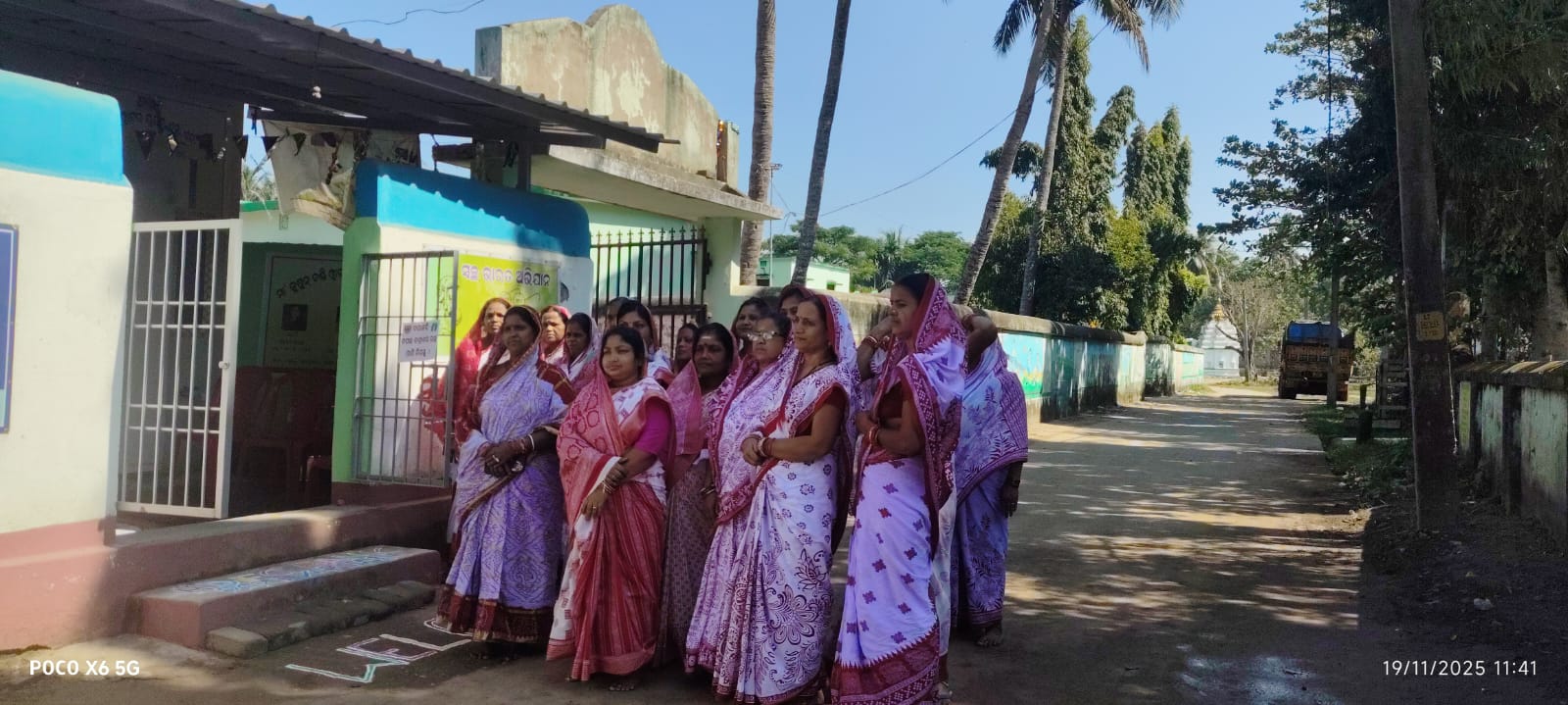
Looking ahead, the Maa Kusunchandi Water User Group aims to expand the RO plant’s reach and service efficiency, positioning the initiative as a replicable model for other coastal villages. Plans include:
- Expanding services to neighbouring villages
- Strengthening governance and financial systems for long-term accountability
- Periodic review of water charges to maintain viability and affordability
- Exploring convergence with government piped water supply schemes
- Introducing rainwater harvesting systems for comprehensive water security
Conclusion
The Biswali RO plant demonstrates how safe drinking water can become a catalyst for community-led development. Safe water was the entry point. What followed was a cascade of change: better health, stronger institutions, economic independence, and women who lead with confidence.
From reducing disease to generating income, from saving women’s time to strengthening local institutions, the community-owned RO plant at Biswali stands as a compelling example of how a single, well-designed intervention can deliver impact far beyond its original scope.
Harsha Trust | HDFC Bank Parivartan | Biswali, Jagatsinghpur, Odisha